Current Location: Blog >
Singapore server
1.
• after containerization, the image may not have localization settings, resulting in chinese/utf-8 character exceptions.
• correct language/lang/tz settings can avoid database garbled characters and time deviation.
• when connecting domain name resolution and cdn caching strategies, time accuracy affects cache refresh and certificate renewal.
• if the time zones of ddos and security monitoring logs are misaligned, source tracing and incident response timing will be affected.
• conclusion: unify language and time zone settings at image and container runtime as early as possible. 2.
• generate locale in dockerfile: for example in ubuntu run apt-get update && apt-get install -y locales && locale-gen en_sg.utf-8.
• set environment variables: env lang=en_sg.utf-8 language=en_sg:en lc_all=en_sg.utf-8 tz=asia/singapore.
• be careful with the size of the image: if you need to reduce the size, you can only install the locales package and clear the apt cache.
• sample image build command: docker build -t myapp:1.0 . (test locale after building).
• it is recommended to add an automated verification script to ci/cd to check whether the date +%z and locale output in the container are correct. 3.
• kubernetes pod example: declare lang/tz in the container env and set limits/requests in resources.
• ulimit and system parameters: set ulimit -n 65536 on the host to avoid file handle exhaustion caused by high concurrency.
• sysctl tuning examples: net.ipv4.tcp_tw_reuse=1; net.netfilter.nf_conntrack_max=262144.
• logging and timing: ensure that stdout/stderr output times are in iso8601 format to facilitate centralized logging system alignment.
• monitoring recommendations: to monitor clock drift within the container, ntp/chrony must be enabled on the host. 4.
• cdn configuration: enable regional cache rules on cloudflare/alibaba cloud cdn and set edge time zone policies.
• load balancing: combining nginx reverse proxy and healthcheck, the backend container returns the correct header according to locale.
• ddos mitigation: enable rate limiting, connection thresholds and js challenges, plus cloud acl whitelisting.
• real-time monitoring: use traffic baseline (alert if burst >200mbps) and automatically trigger traffic cleaning.
• recommendation: link the protection strategy with the log center (elk/prometheus) to facilitate source tracing and rollback. 5.
• vps specifications: 2 vcpu / 4gb ram / 80gb ssd / peak bandwidth 200mbps.
• container run command: docker run -d --name node-sg -e lang=en_sg.utf-8 -e tz=asia/singapore --memory=1g --cpus=1.5 -p 8080:8080 mynode:latest.
• nginx reverse proxy snippet: proxy_set_header host $host; proxy_set_header x-real-ip $remote_addr; proxy_set_header x-forwarded-for $proxy_add_x_forwarded_for;.
• faults and repairs: the chinese path was garbled when going online for the first time. after troubleshooting, it was found that the image had no locale. rebuilding the image and adding locale-gen solved the problem.
• protection measures: cloudflare turns on "i'm under attack" mode and limits the rate of api interfaces (10req/s per ip). 6.
• if garbled characters appear, check the database character set (mysql utf8mb4) and connection parameters.
• use tcpdump/ss to check the port binding and connection status, and confirm that nginx is connected to the container port.
• for performance issues, use top/htop, docker stats and profiling tools to locate bottlenecks.
• unify utc or clearly mark time zones when aggregating logs to avoid cross-regional misjudgments.
• regularly practice ddos drills and configure cache hit rate and purge policies on the cdn.

overview: why do you need to configure language and time zone on the singapore server ?
• singapore multi-lingual environment, the default system language and encoding will affect logs, timestamps and character processing.• after containerization, the image may not have localization settings, resulting in chinese/utf-8 character exceptions.
• correct language/lang/tz settings can avoid database garbled characters and time deviation.
• when connecting domain name resolution and cdn caching strategies, time accuracy affects cache refresh and certificate renewal.
• if the time zones of ddos and security monitoring logs are misaligned, source tracing and incident response timing will be affected.
• conclusion: unify language and time zone settings at image and container runtime as early as possible. 2.
standard practices at the image level (dockerfile example)
• base image selection: ubuntu:20.04 / debian:buster or alpine (note that alpine requires additional locale installation).• generate locale in dockerfile: for example in ubuntu run apt-get update && apt-get install -y locales && locale-gen en_sg.utf-8.
• set environment variables: env lang=en_sg.utf-8 language=en_sg:en lc_all=en_sg.utf-8 tz=asia/singapore.
• be careful with the size of the image: if you need to reduce the size, you can only install the locales package and clear the apt cache.
• sample image build command: docker build -t myapp:1.0 . (test locale after building).
• it is recommended to add an automated verification script to ci/cd to check whether the date +%z and locale output in the container are correct. 3.
runtime configuration and resource restrictions (docker run / kubectl example)
• docker run example: docker run -d --name myapp -e lang=en_sg.utf-8 -e tz=asia/singapore --memory=512m --cpus=1 -p 80:3000 myapp:1.0.• kubernetes pod example: declare lang/tz in the container env and set limits/requests in resources.
• ulimit and system parameters: set ulimit -n 65536 on the host to avoid file handle exhaustion caused by high concurrency.
• sysctl tuning examples: net.ipv4.tcp_tw_reuse=1; net.netfilter.nf_conntrack_max=262144.
• logging and timing: ensure that stdout/stderr output times are in iso8601 format to facilitate centralized logging system alignment.
• monitoring recommendations: to monitor clock drift within the container, ntp/chrony must be enabled on the host. 4.
network, domain name, cdn and ddos protection practical points
• domain name resolution: when deployed in singapore, local dns nodes are used first to reduce resolution delays.• cdn configuration: enable regional cache rules on cloudflare/alibaba cloud cdn and set edge time zone policies.
• load balancing: combining nginx reverse proxy and healthcheck, the backend container returns the correct header according to locale.
• ddos mitigation: enable rate limiting, connection thresholds and js challenges, plus cloud acl whitelisting.
• real-time monitoring: use traffic baseline (alert if burst >200mbps) and automatically trigger traffic cleaning.
• recommendation: link the protection strategy with the log center (elk/prometheus) to facilitate source tracing and rollback. 5.
real case: singapore vps deploys node.js application (including configuration data)
• environment: vps (singapore) ubuntu 20.04, docker 20.10, nginx 1.18, domain name via cloudflare.• vps specifications: 2 vcpu / 4gb ram / 80gb ssd / peak bandwidth 200mbps.
• container run command: docker run -d --name node-sg -e lang=en_sg.utf-8 -e tz=asia/singapore --memory=1g --cpus=1.5 -p 8080:8080 mynode:latest.
• nginx reverse proxy snippet: proxy_set_header host $host; proxy_set_header x-real-ip $remote_addr; proxy_set_header x-forwarded-for $proxy_add_x_forwarded_for;.
• faults and repairs: the chinese path was garbled when going online for the first time. after troubleshooting, it was found that the image had no locale. rebuilding the image and adding locale-gen solved the problem.
• protection measures: cloudflare turns on "i'm under attack" mode and limits the rate of api interfaces (10req/s per ip). 6.
checklist of common debugging steps and recommendations
• first execute date, locale, and env in the container to check the environment variables and time zone.• if garbled characters appear, check the database character set (mysql utf8mb4) and connection parameters.
• use tcpdump/ss to check the port binding and connection status, and confirm that nginx is connected to the container port.
• for performance issues, use top/htop, docker stats and profiling tools to locate bottlenecks.
• unify utc or clearly mark time zones when aggregating logs to avoid cross-regional misjudgments.
• regularly practice ddos drills and configure cache hit rate and purge policies on the cdn.
| item | example value |
|---|---|
| vps location | singapore (sg1) |
| cpu/memory | 2vcpu/4gb |
| disk | 80gb ssd |
| bandwidth | 5 tb/month, peak 200 mbps |
| latency (local) | 5-15 ms |
- Latest articles
- Detailed Explanation Of Security Isolation And DDoS Protection Strategies For VPS Deployment Recommendations At Vietnam Nodes
- Students And Developers Are Concerned About How Much It Costs To Rent VPS In Korea, Low-cost Environments, And Limited-time Trial Recommendations
- Common Misconception Reminder: Issues And Fixes Often Overlooked When US VPS Access Is Slow
- In-depth Analysis Of The Performance Differences Between Free Servers In Korea And Paid Plans
- Enterprises Expanding Markets To Sell Servers To Vietnam With Localized Pricing And After-sales System Setup
- How To Test CN2 Japan Link Quality And Generate Visual Reports
- Illustrated Guide To Setting Up IPs For Singapore Servers, Completing Network Segment Routing And Firewall Configuration
- Key Points For Disaster Recovery Switching And Load Balancing Design For VPS Nodes At The Vietnamese Node In Enterprise-level Architectures
- How To Determine How Much To Rent A VPS In Korea Based On Business Scale And Match Performance Requirements
- Vietnamese CN2 Service Provider: Price And Service Comparison To Help You Choose Quickly
- Popular tags
Simulator
Server Address Selection
Japanese Sakura Website
Vpc
Revenue Model
Dedicated Line Ip Service Provider
Network Evaluation
Comparison
Internet Memes
Japanese Native Ip Computer Room
Security Group
Sakura
Access
Snapshot Backup
File Preparation
Preventing Theft
Network Optimization
Amazon Jp
Server Location
White Hat
Cost Budget
Playerunknown's Battlegrounds
Dayz
Quick Website Construction
Internet Freedom
Policy Interpretation
Ss
Asn
Japanese V2ray Servers
Related Articles
-

Website Security Configuration And Ddos Protection Practice Sharing For Singapore Cloud Servers
share practical experience in website security configuration and ddos protection on singapore cloud servers, including cost comparison, basic hardening, waf/cdn deployment, traffic cleaning and monitoring and alarming and other implementation plans. -

Policy Analysis Of How The Singapore Government Supports The Purchase Of Servers
analyze the singapore government's policies to support the purchase of servers, and introduce relevant preferential measures and the strategic intentions behind them. -
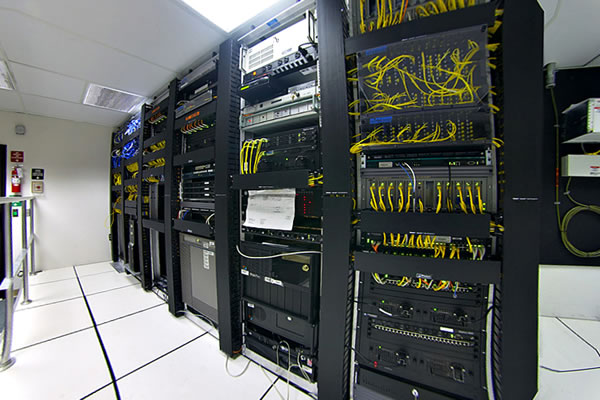
A Comprehensive Review Of The Advantages And Disadvantages Of Singapore Server Hosting Services
comprehensively evaluate the advantages and disadvantages of singapore’s server hosting services and help enterprises choose the right server hosting solution.